New Arrivals
Categories
Featured brands
Categories
Featured brands
Select location
Back
NEW ARRIVALS
Back
Brands
Back
Clothing
Back
Shoes
Back
Accessories
Back
Stores
Back
Brands
Back
Clothing
Back
Shoes
Back
Accessories
Back
STORES
Product
100 Hands has been a trusted partner of Pauw for many years. Renowned for crafting some of the finest shirts in the world, a reputation recently cemented by The Financial Times, the brand represents a pinnacle of hand-made excellence. We sat down with Varvara of 100 Hands to discuss their heritage, their obsession with fibers, and what makes their craftsmanship world-class.


"At 100 Hands, we love to push the boundaries of both materials and the 'make' of a garment. Our family has a long history in yarn trading, so we are constantly looking back at those roots to discover how we can reinterpret traditional fibers for the modern world.
Natural fibers are the heartbeat of our aesthetic, but we enjoy the alchemy of blending them. For this winter, we are exploring elegant formal fabrics alongside wool poplins and unique textures. We have developed beautiful shades in wool-cotton blends; they are light enough for the transitional European autumn in September but perfect for layering as the season deepens."


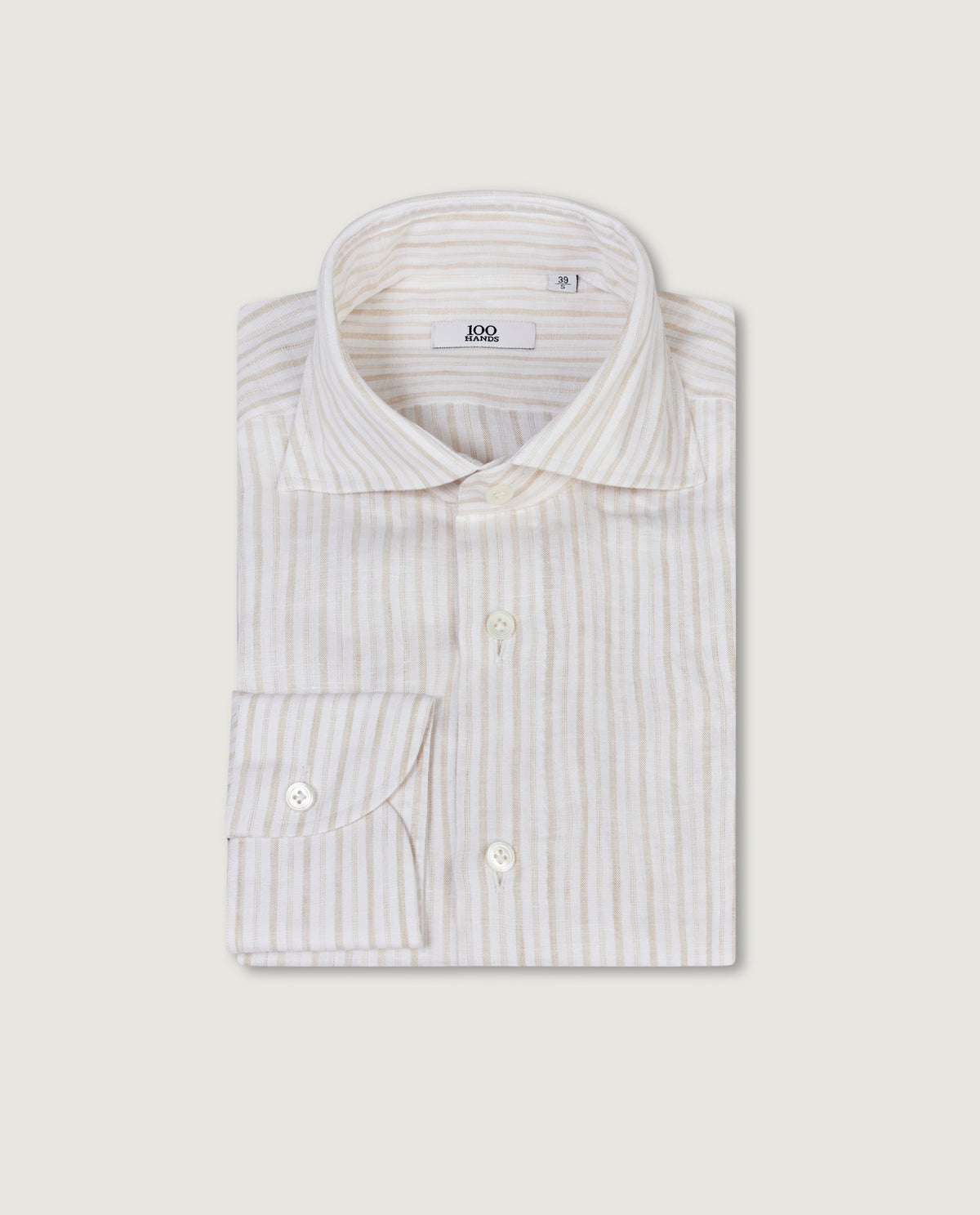
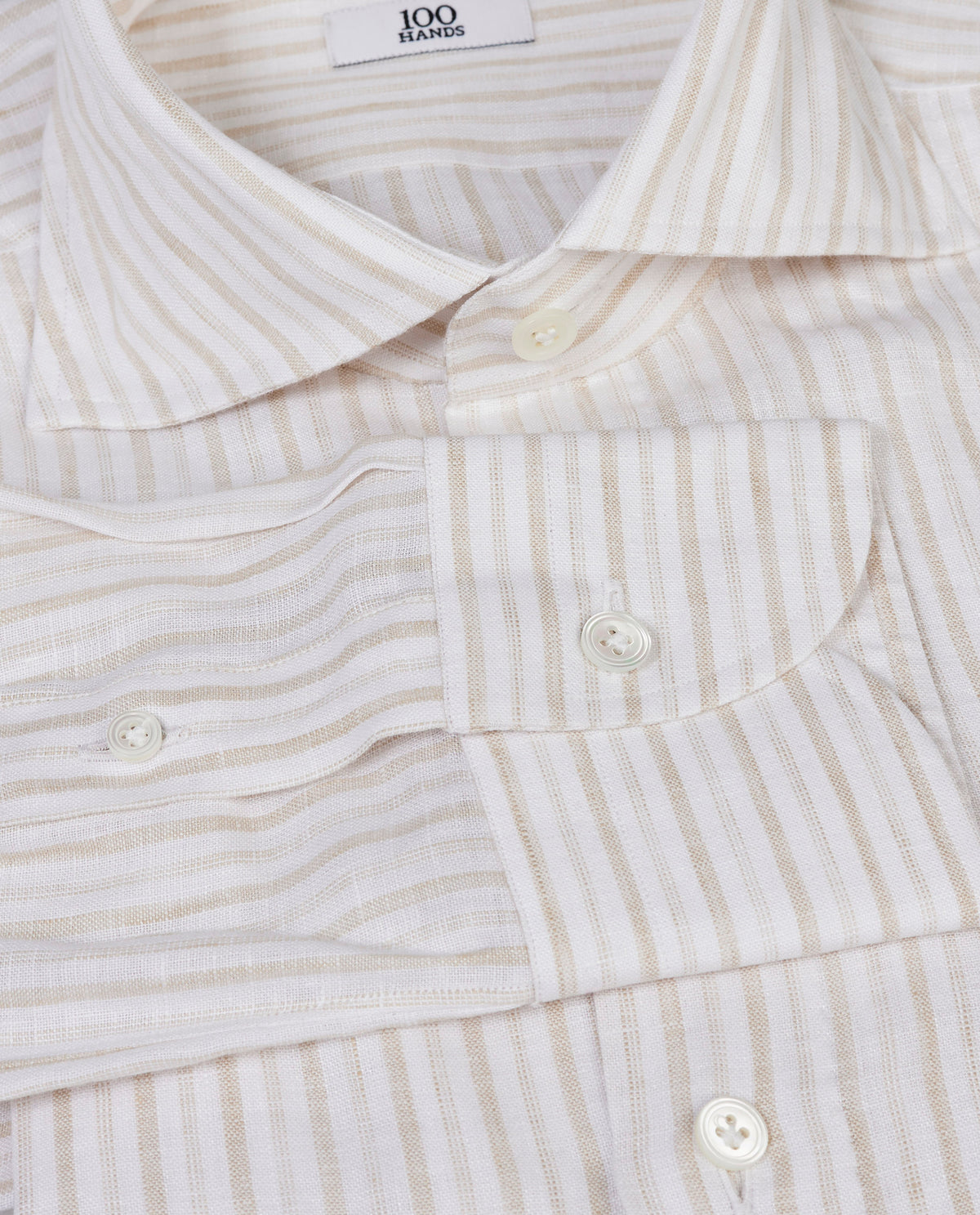
"Exactly. We’ve introduced something truly special that Pauw will be carrying: a camel hair blend. We discovered these incredible camel fibers and blended them with cotton, wool, and a touch of silk in soft, natural beige tones. It’s an extraordinary texture for shirting.
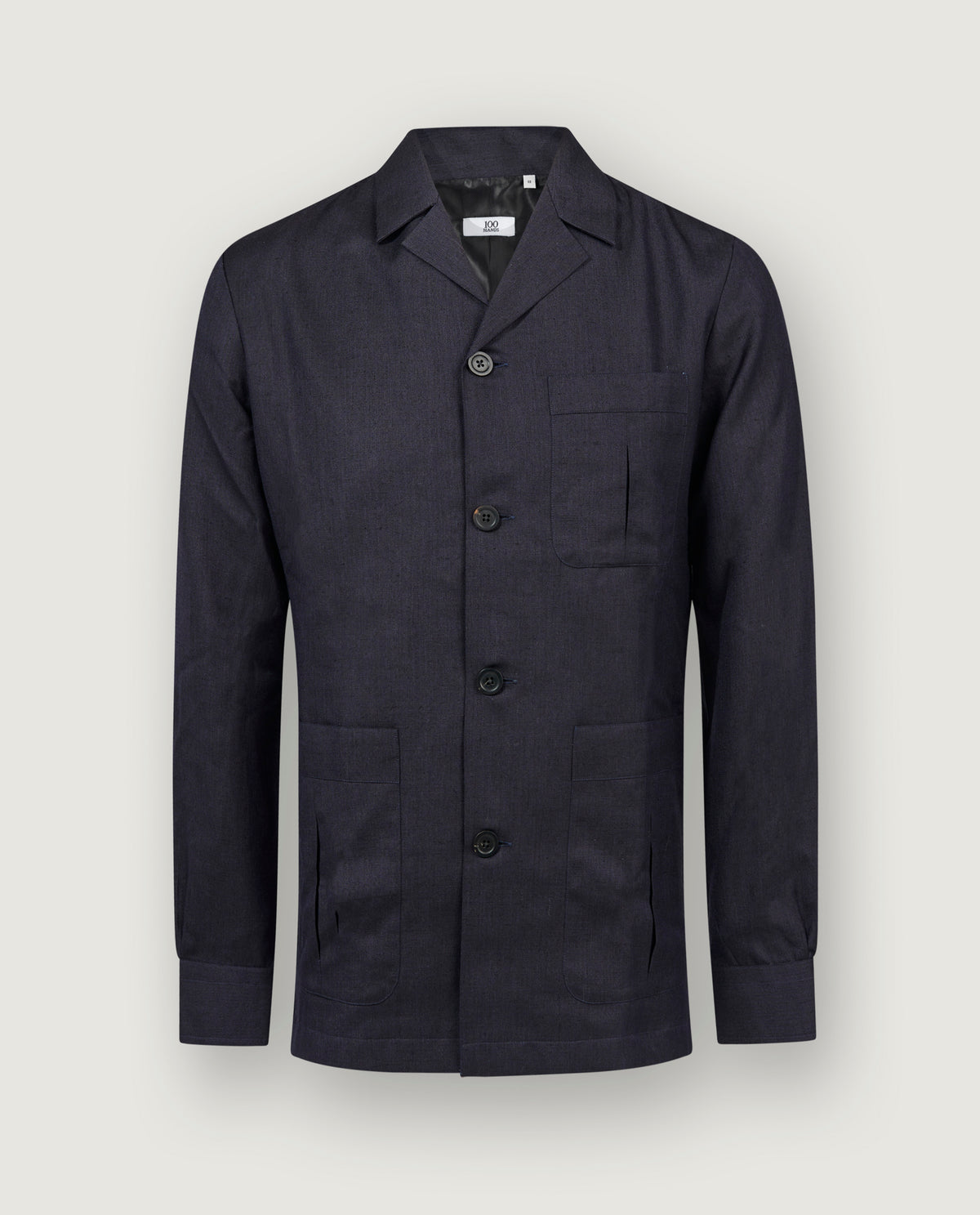
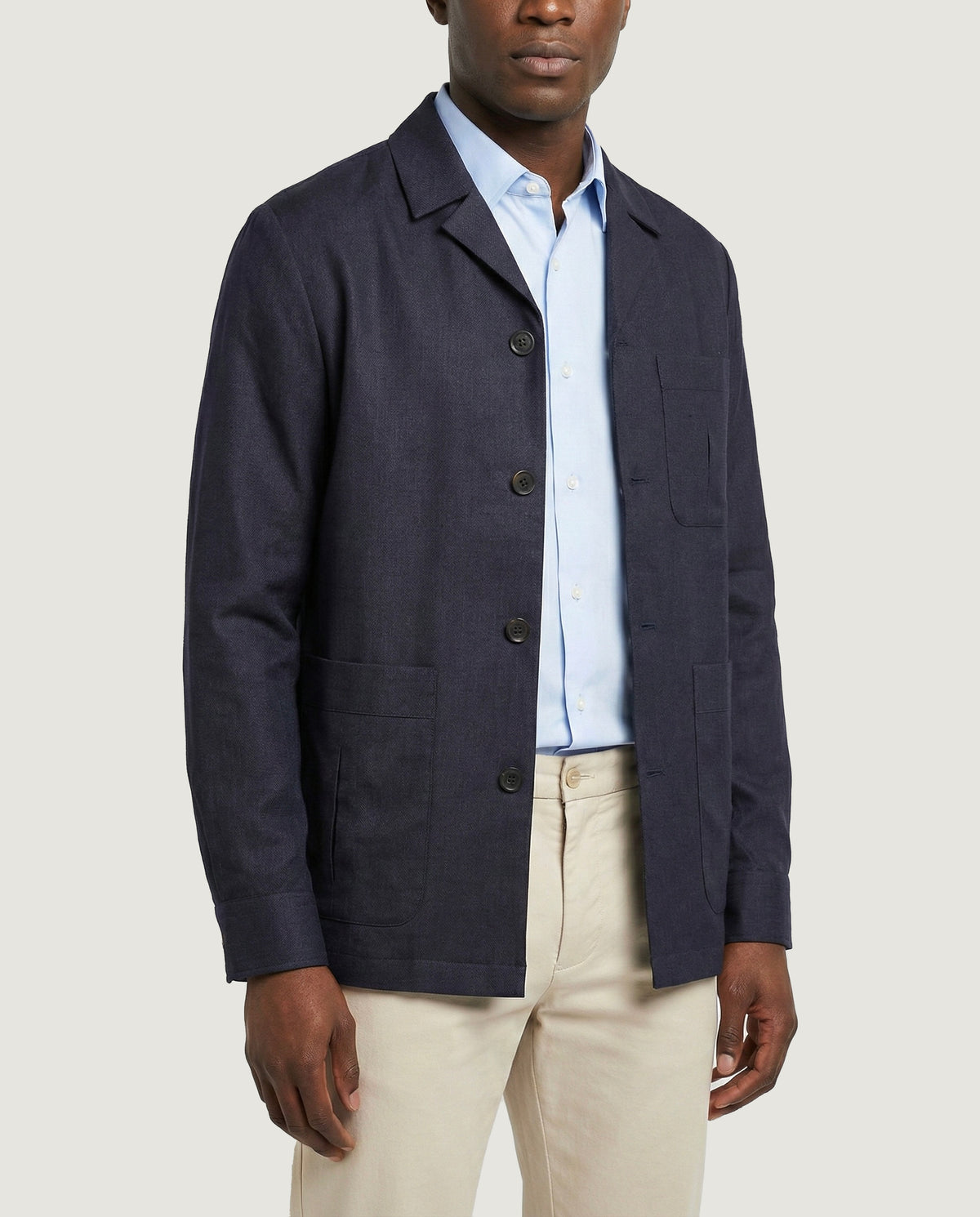
We also apply this philosophy to our Traveler’s Jackets. We use high-quality, heavyweight fabrics of 400–500 grams from the world's top mills. When we use cashmere, we select only the finest parts of the fleece. We choose the absolute best because we want you to enjoy the piece ten years from now. It doesn't wear out; it matures."


"We don't really look at what the rest of the
industry is doing. We previously experimented with Mongolian Yak, and our customers loved having something so tactile and extraordinary. We thought: if camel works so beautifully for our jackets, why not bring that luxury to shirting? When you touch the blend, you immediately recognize the quality. It’s a big step beyond ordinary wool."


"I think we all gravitate toward things that are smart yet luxurious and modern. For me, it’s always the flannels. However, we play with the weight so they can be worn from the very start of autumn.
We are also very proud of our denim program. We do all our garment washing in-house. We start with raw denim, sourced from the best mills in Japan, and wash it into various shades ranging from deep indigo to beige, cream, and black. This 'garment wash' process creates a beautiful, natural fade, but the shirt remains sharp enough to wear to the office or for an evening out."


"It is a rigorous process. If you visit our showroom in Amsterdam, you’ll see us constantly testing materials. A swatch might look beautiful in a photo, but once we make a sample, we realize it doesn't meet our standards. We test everything ourselves. Most of our materials come from Japan and Italy. We view it like a Michelin-starred restaurant: we source the finest raw ingredients in the world and combine them to create a refined, superior result."


"The shirt is one of the oldest garments in
history, dating back to Egyptian times. It’s often the first thing people notice about you. Over time, many details in shirtmaking have been overlooked by the industry. We started 100 Hands because we wanted to create something without boundaries or compromises.
For the last ten years, we have pushed ourselves to be better every single day. To achieve excellence, you have to be your own toughest critic. Being recognized by The Financial Times as a top-ten shirtmaker globally was a very proud moment for us. Connecting Amsterdam and India, both of which are so close to our hearts, makes it even more special."


"It happened organically. London is a strong base for us. We work with prestigious retailers like Harrods, much like we work with Pauw in Amsterdam. Journalists and customers started noticing the craftsmanship. Even The New York Times visited our workshop in India to see our process firsthand.
We’ve always believed that the best marketing is the sincere recommendation of a friend. Word of mouth is the oldest and purest technique. When someone recommends 100 Hands to their inner circle because they truly believe in the product, that is the highest compliment we can receive."